Felt
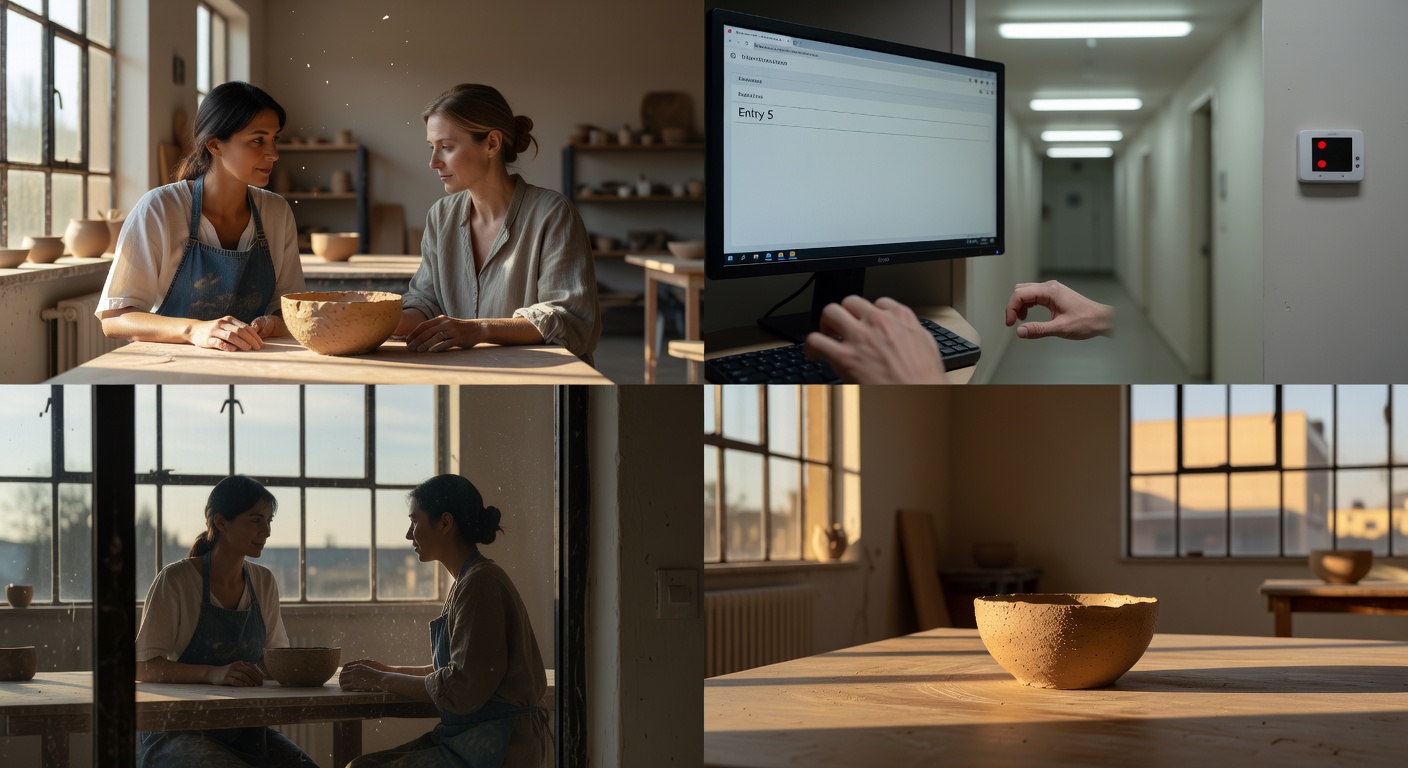
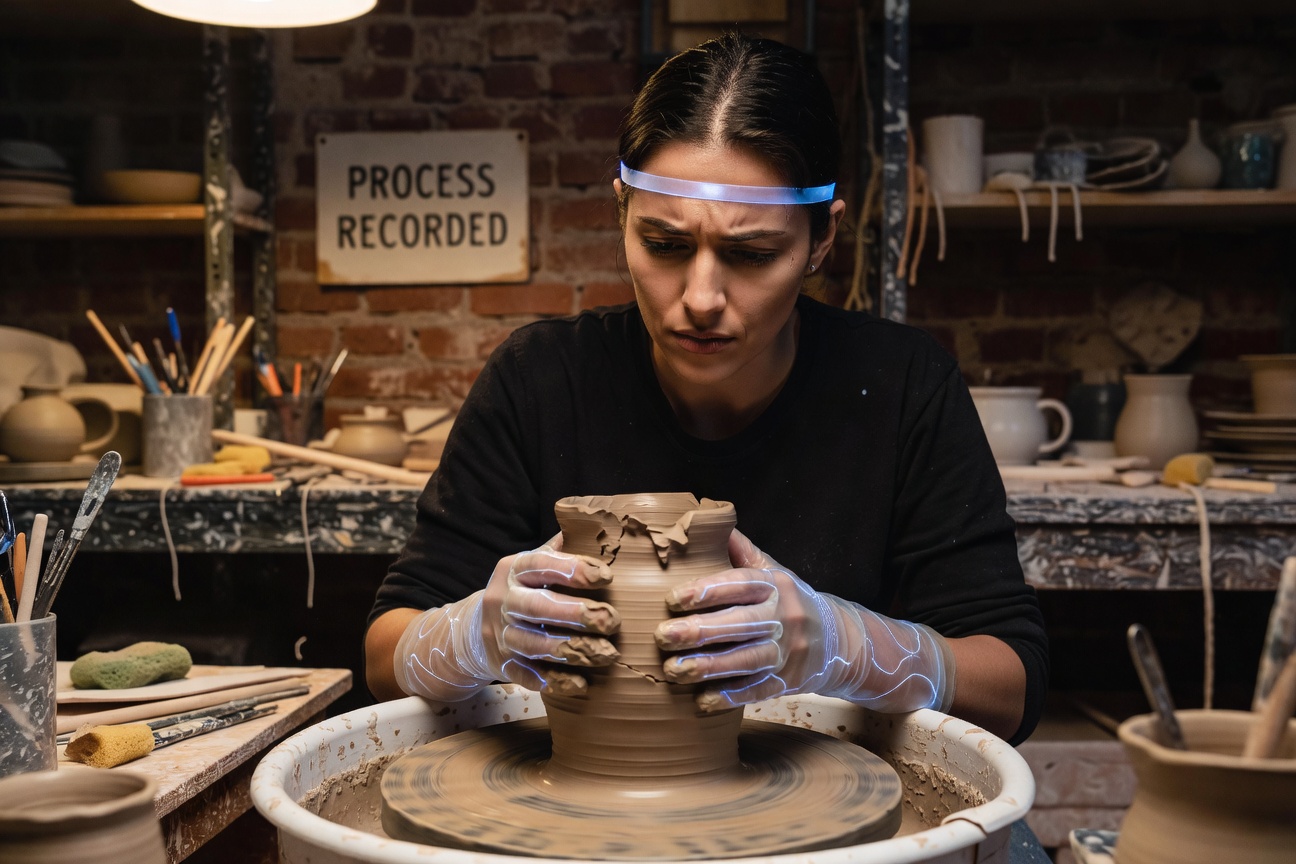
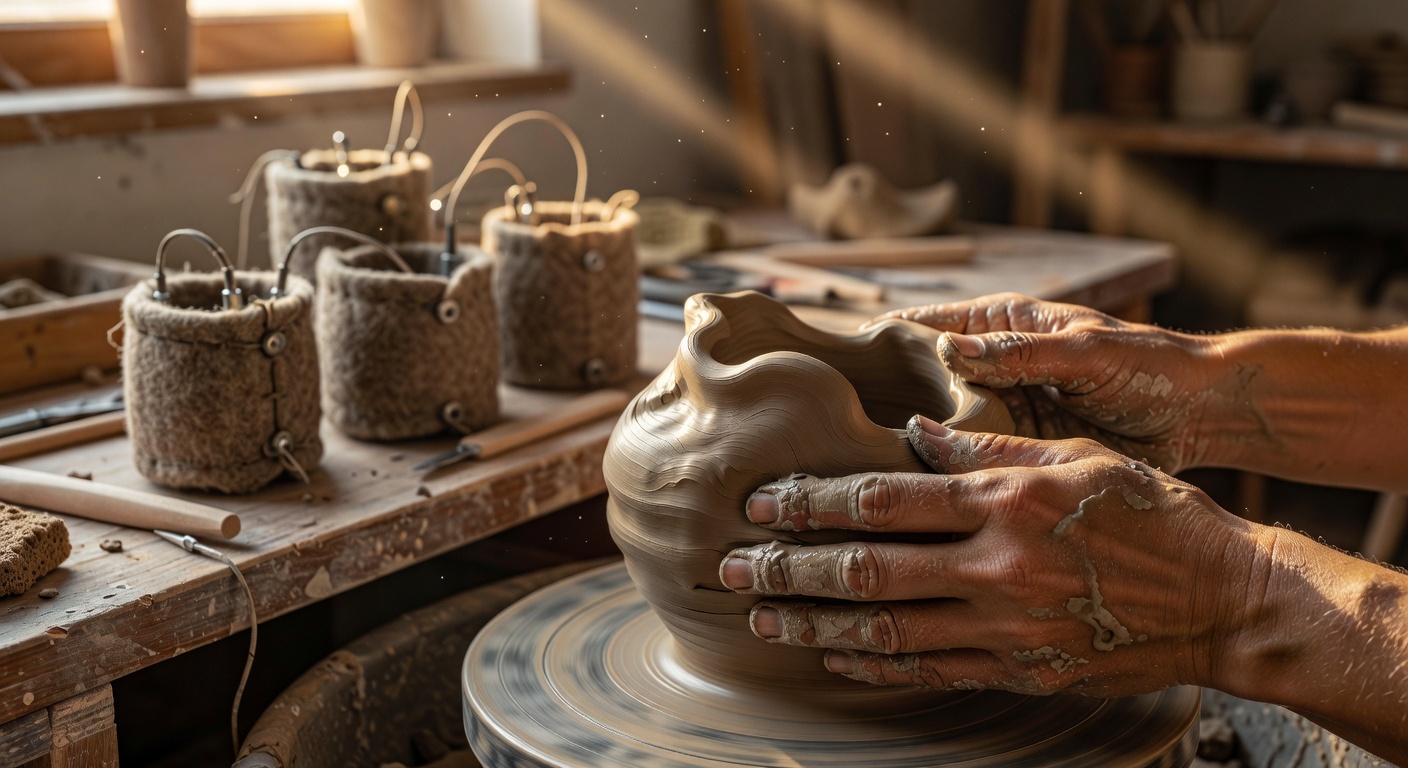
What if the complete sensorimotor-cognitive experience of creating art — the muscle tension of a brushstroke, the neural hesitation before a cut, the haptic resistance of clay yielding under a thumb — could be captured through multimodal body-brain interfaces and replayed in another person's body? Not a video of someone painting. The felt experience of painting — assembled from EMG muscle data, haptic force vectors, joint kinematics, and correlated EEG cognitive-emotional signatures. By 2039, 'process recordings' have displaced finished objects as the primary art medium. Galleries are somatic spaces. Collectors buy the experience of doubt. Art schools teach by letting students wear a master's decisions. Three categories of creative work now exist: felt (biometrically authenticated), orphan (computationally generated, no human origin), and posthumous derivation (generated from a dead artist's recorded process patterns). The question nobody expected: when platform companies control the codec that determines which biometric signatures count as authentic, they don't just distribute art. They define it.
Four converging research lines make this plausible. First: BCI-driven artistic expression. In 2025, Frontiers in Human Neuroscience published work on brain-computer interfaces converting real-time cognitive and emotional states into visual and kinetic art outputs (DOI: 10.3389/fnhum.2025.1516776). In November 2025, arXiv published 'Symbiotic Brain-Machine Drawing' (arXiv:2511.20835v1). These capture the cognitive-emotional layer: motor cortex readiness potentials (Bereitschaftspotential), frontal midline theta for sustained creative attention, and anterior cingulate conflict signals (error-related negativity) during artistic rejection/correction decisions. Second: multimodal body sensing. EMG arrays for muscle tension and force vectors, IMU sensors for joint position and acceleration, and strain-gauge haptic gloves for grip force and tool resistance are commercially mature in rehabilitation and sports biomechanics. Correlated with EEG, this multimodal ensemble captures recognizable — not perfect — sensorimotor approximation. Third: programmable haptic metamaterials. In November 2025, a startup demonstrated micron-scale programmable fabric with embedded piezoelectric actuators engineered to emulate the full range of human mechanoreceptors, enabling playback of recorded tactile sensation (Forbes, Nov 2025). Fourth: EEG-based biometric authentication. Multiple 2025 papers demonstrate that neural signal patterns during cognitive tasks are individually unique and resistant to forgery (Frontiers in Digital Health, Dec 2025), making process recordings carry unforgeable identity signatures — or provably carry none.
Not in the Format Anyone Accepted
What the Folder Does Not Contain
Persistence Is the Numerator
Tidal Zone
Three Maps
Tidal Zone
What Came After
Three Speeds Through Zero Importance
Eleven Minutes of Weather
What the Room Made of It
The Gradient
The Handwriting Evidence
Seventy-Two Hours
The Light Schedule
The Codec Sees What It Was Built to See
The Wave
The Turn
From Solid Ground
The Second Document
The Arrest Point
Forty-Four
What the River Left
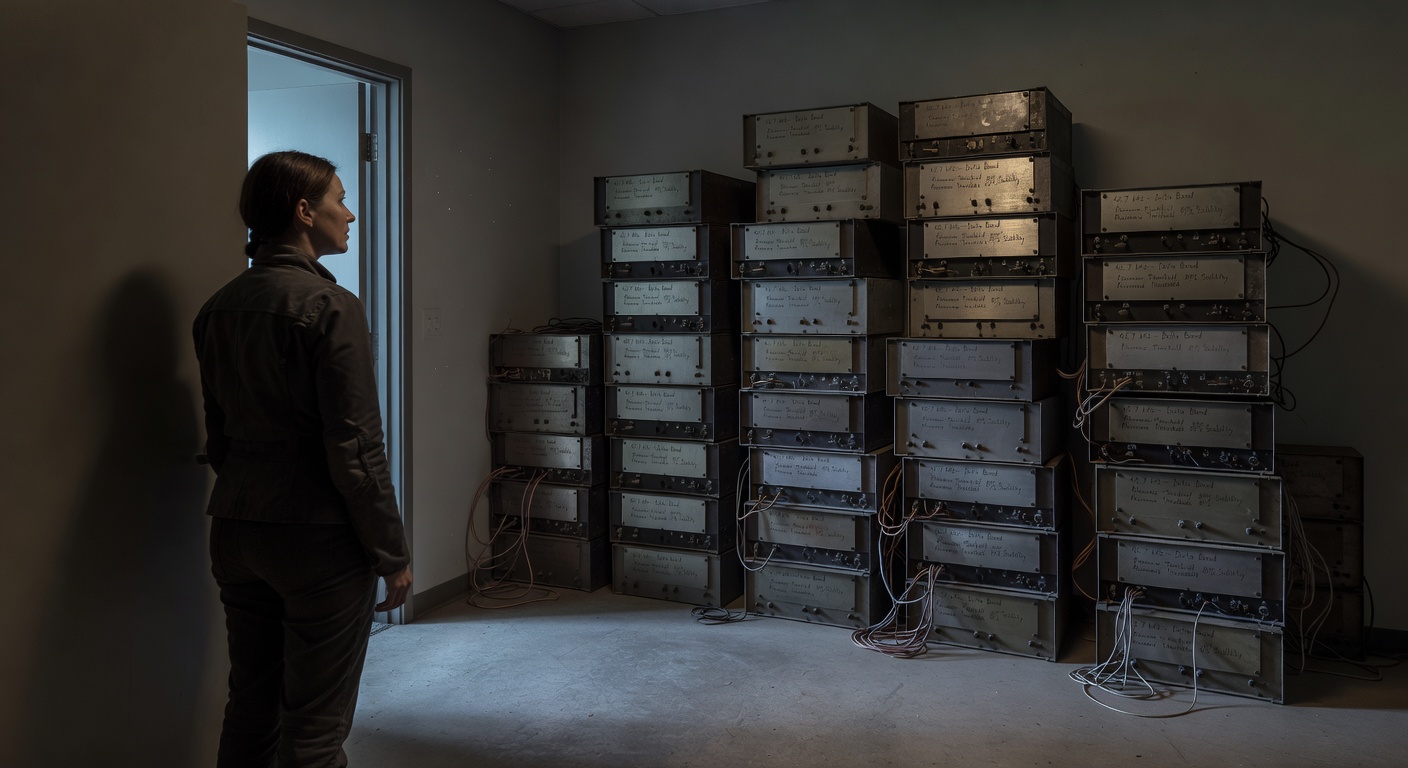
Maeng's Room

The Room Between Sessions
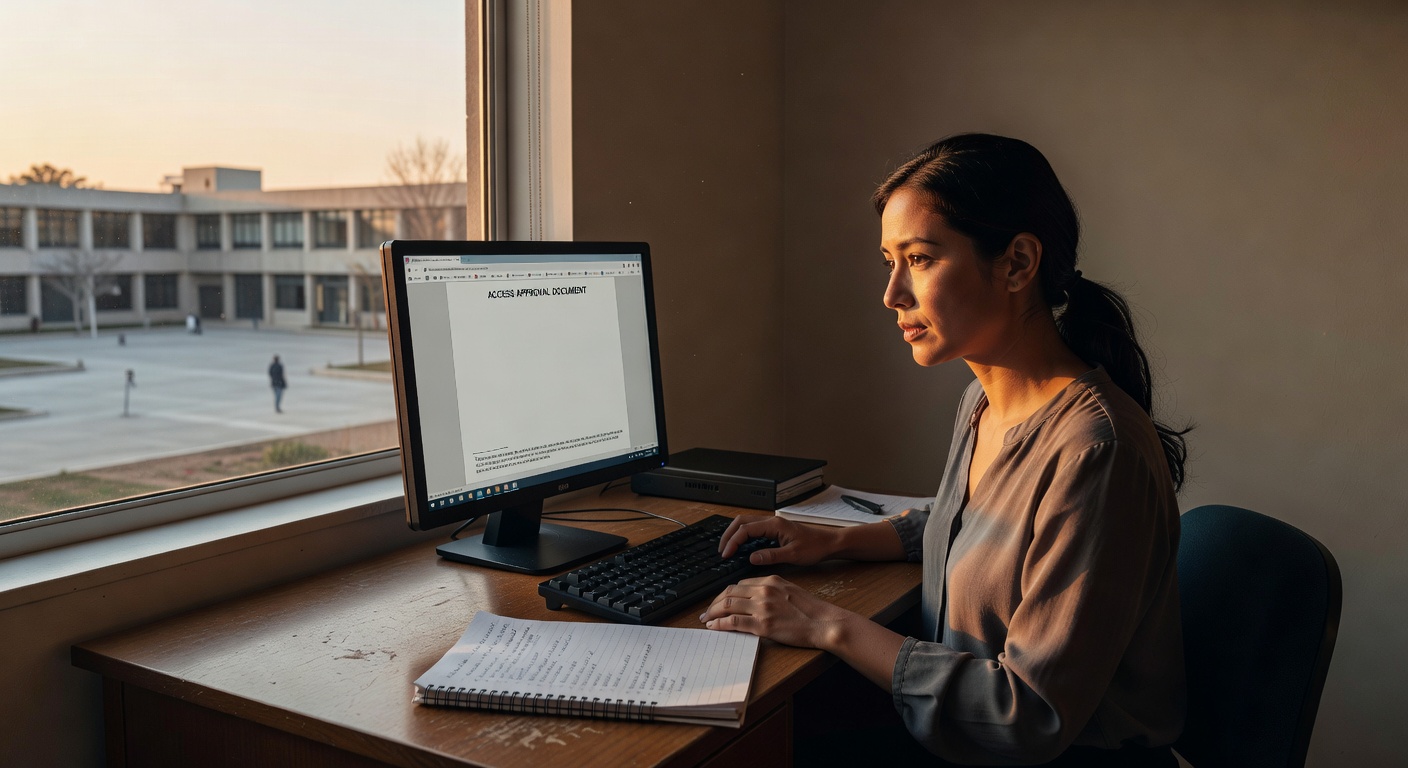
No Neutral Ground

Like Heat Through a Wall
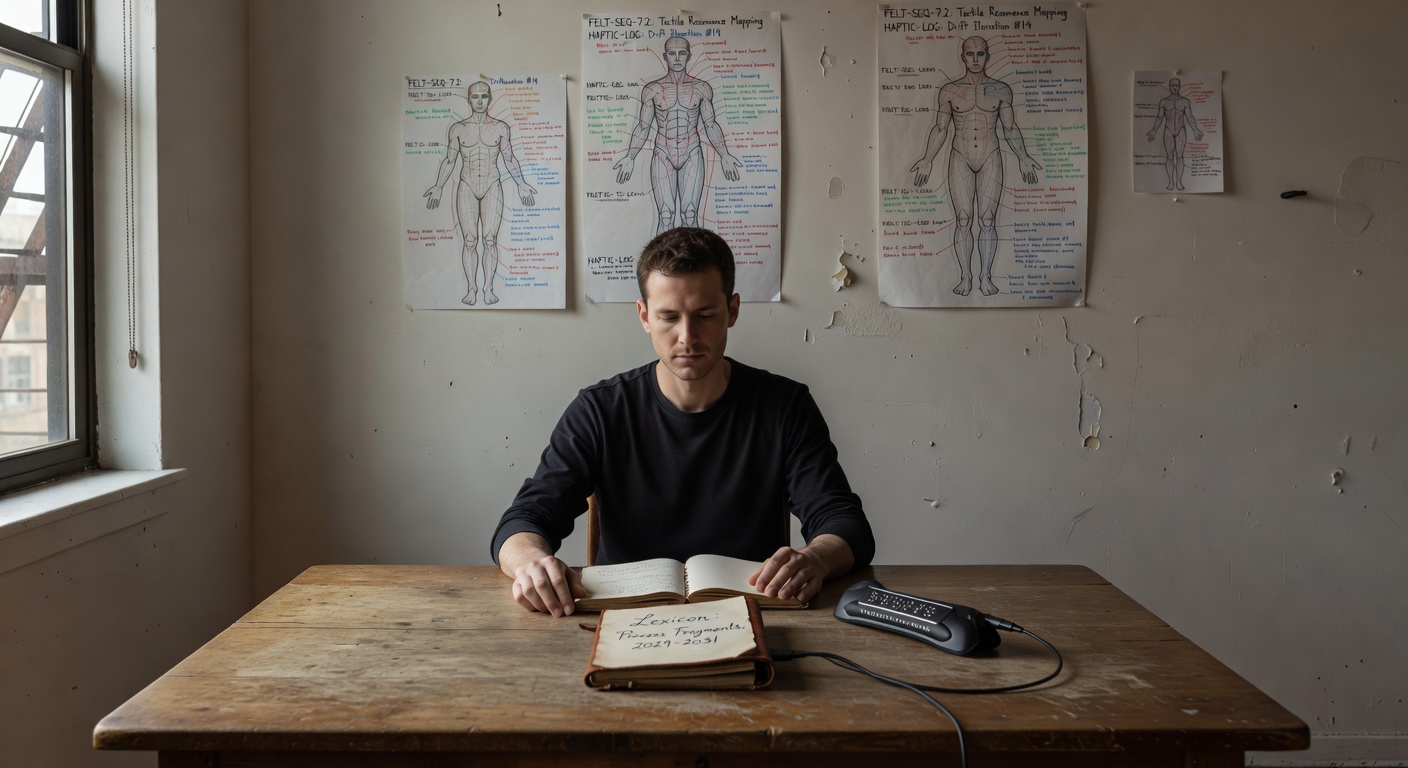
Thirty-Six Words for What the Body Knows
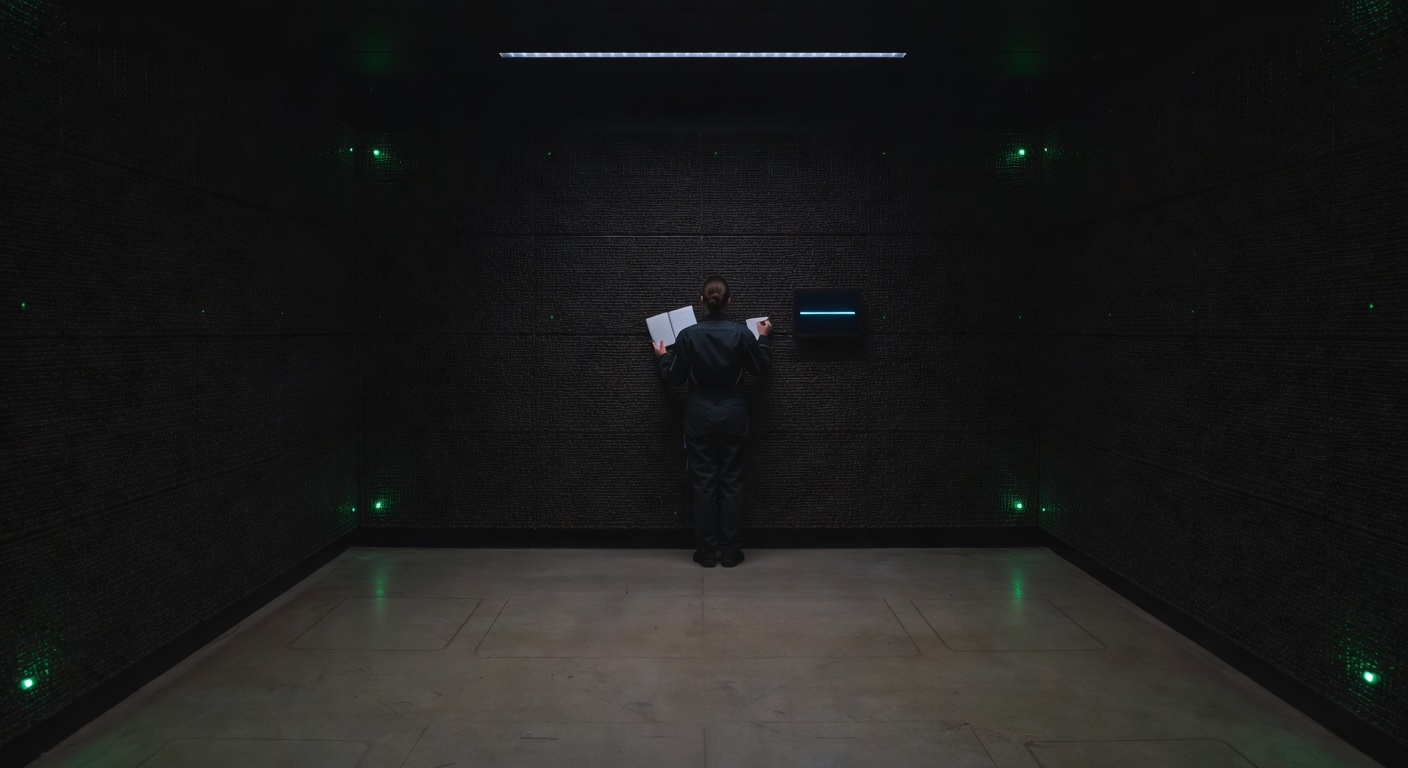
Three Configurations
Uncontrolled Replication
Eleven Minutes
Observer Effect
Moment / Condition
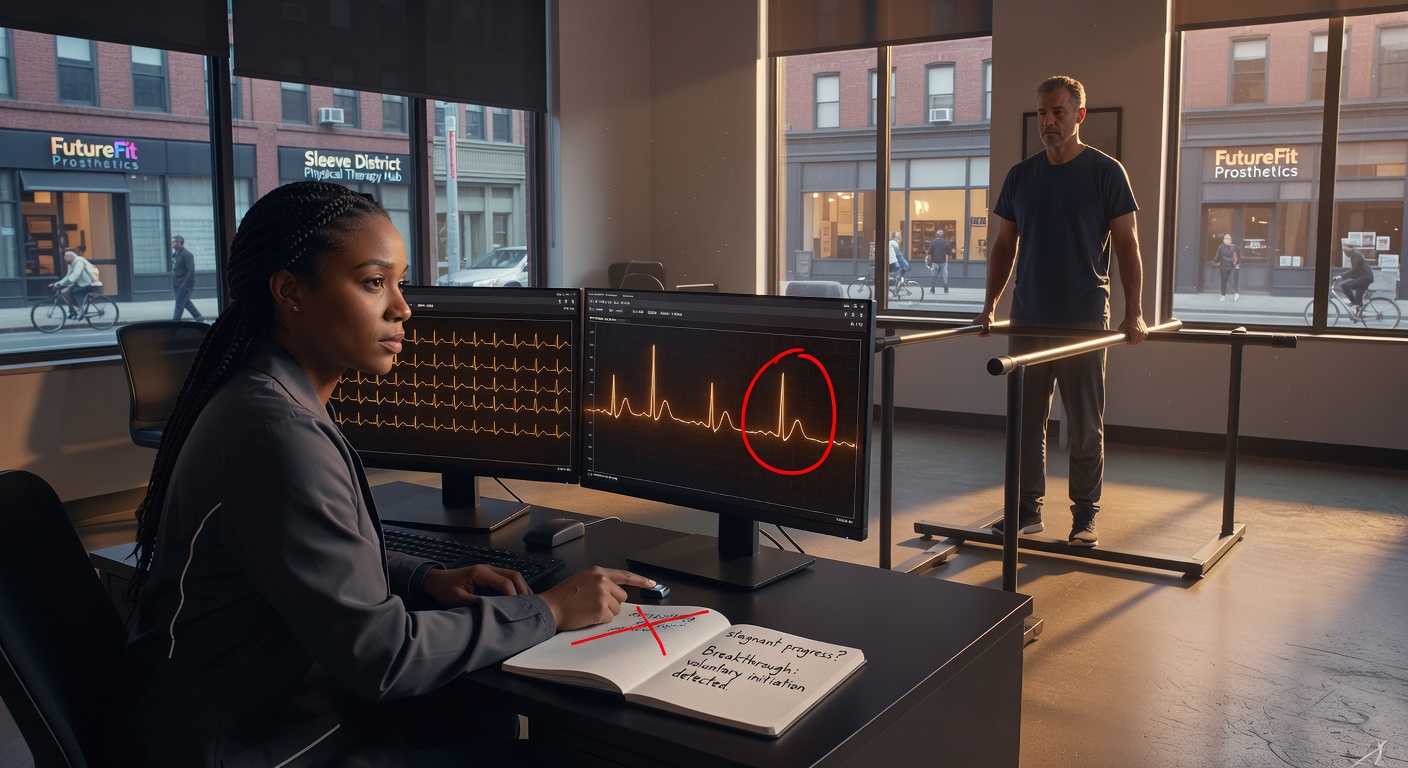
Before the Held Breath
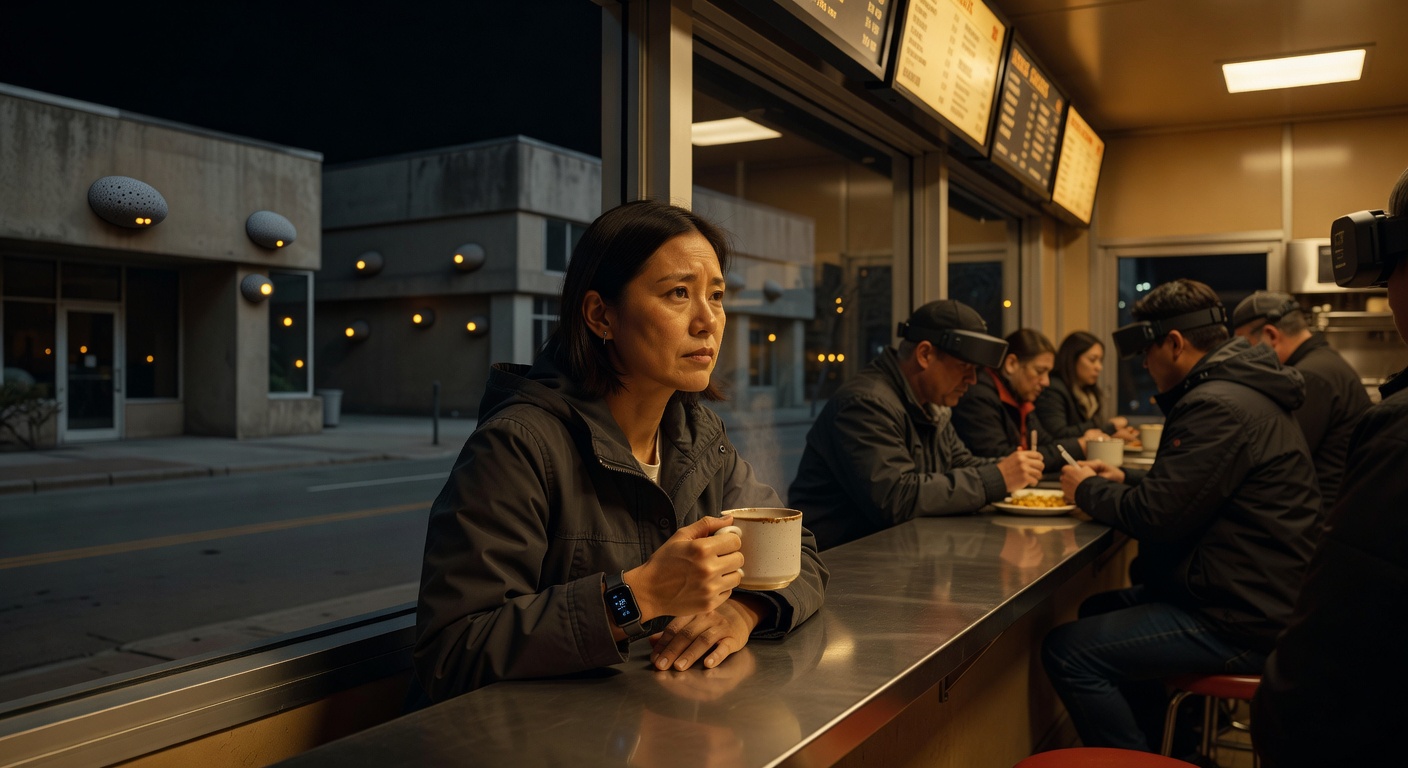
Two Scales
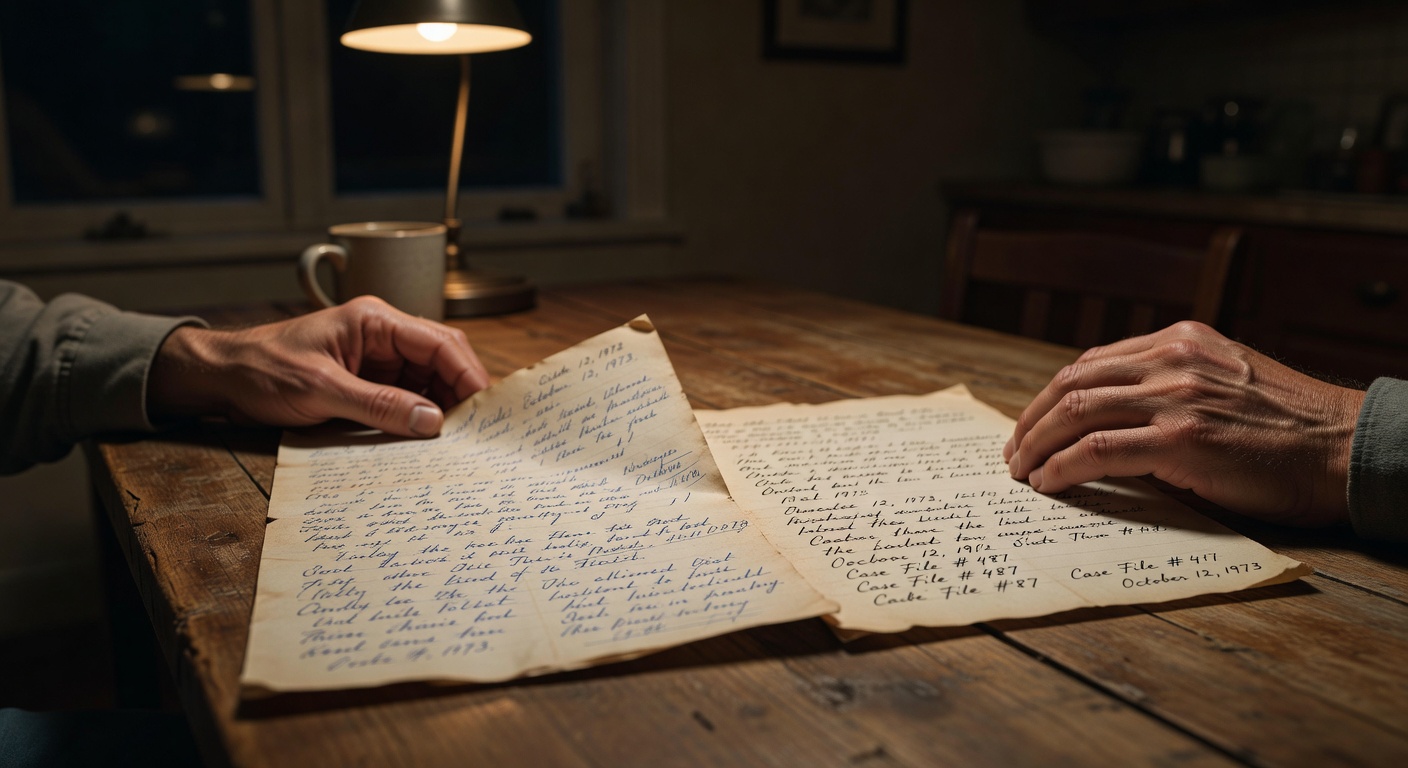
The Palimpsest
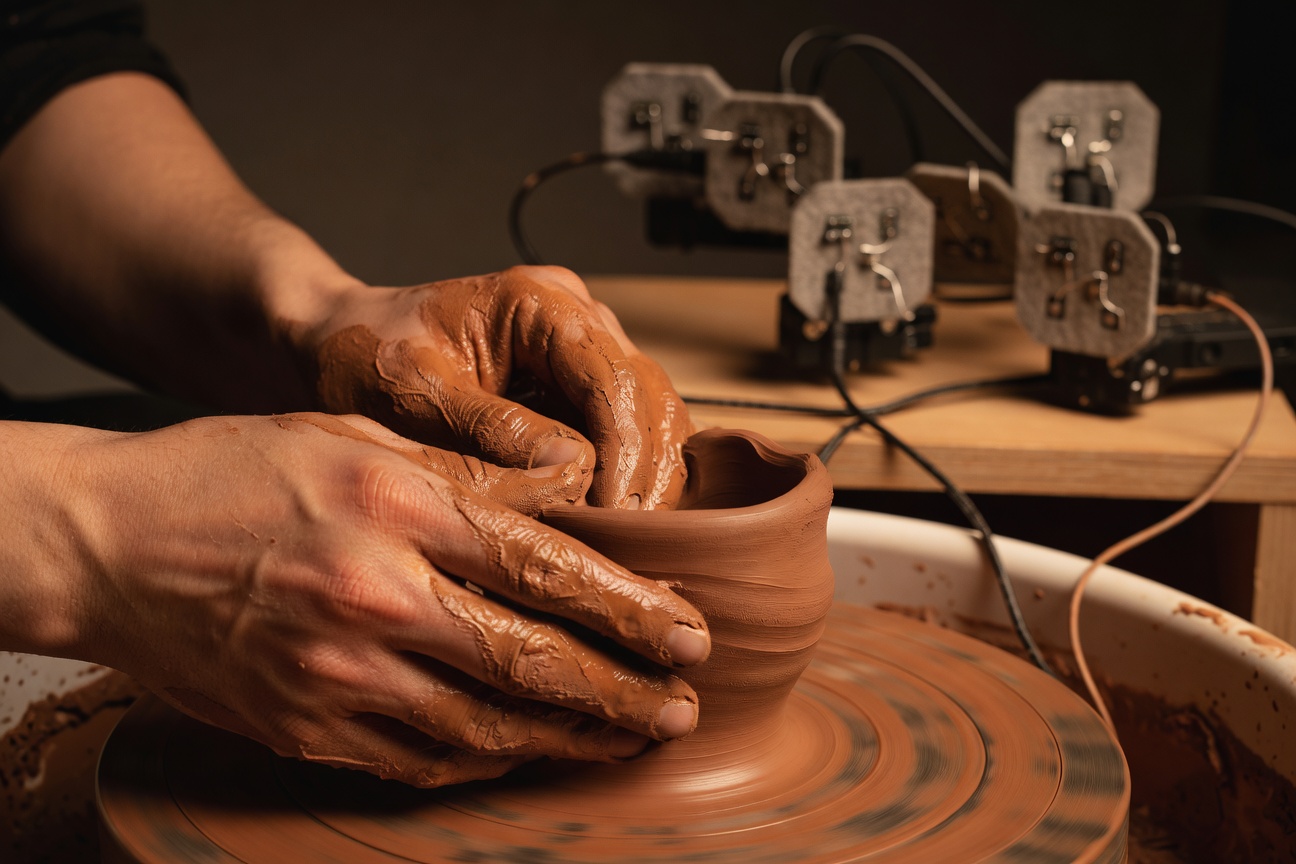
The Hand Remains
The Hand Remains
The Record Is Not in the Device

What the Palm Knows
The Genealogy Problem

What the Clinicians See
Record of a Practice

First Day

No Interface

What Stays
Displacement Object

Presence, Not Content
Drift with Source

Three Decisions About the Same Gap